If you work in performance environments long enough, you start to see a pattern. The teams that win aren’t the ones with the most intensity. They’re the ones with the most consistency.
Intensity is easy to find in short bursts. It shows up when the scoreboard is close, when a target is on the line, or when a team is running on adrenaline. Consistency is harder. It requires discipline. It requires systems. It requires leaders who can coach without mood, and teams who can execute without needing a pep talk every morning. It also requires the humility to admit when standards have softened and the maturity to tighten them again without turning it into drama.
DALE attends events like Limitless because they bring leaders back to that truth. They strip away noise and refocus attention on what actually creates stable results: clear expectations, repeatable coaching, and accountability that feels professional rather than personal.
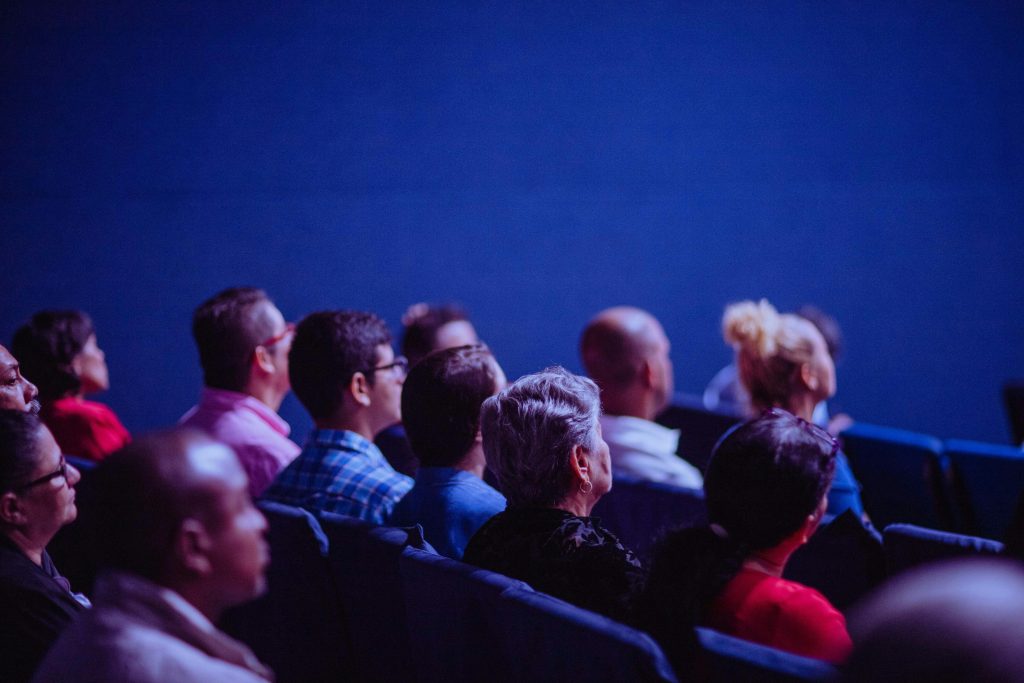
Limitless took place January 29 through February 1 in Dallas, beginning with an invitation-only consultants summit on Thursday and a dinner that evening. Friday featured the ISO and assistant owners summit, with networking later on. Saturday moved through campaign and organisational summits, then into the evening’s awards gala. Sunday concluded with checkout. Attendees stayed at the Hilton DFW Lakes Executive Conference Center, with business attire during the day and black tie for the gala.
The schedule was structured, but the real point is what it produces. It forces alignment among leaders. It sharpens priorities. And it reinforces something that every serious organisation eventually learns: motivation comes and goes, but standards either hold or they don’t.
Consistency is a leadership choice, not a personality trait
Performance rarely drops because people suddenly forget how to work. It drops because standards become flexible. And flexibility is usually introduced with good intentions.
A team has a strong week, so leaders relax the coaching rhythm. A leader gets busy, so feedback becomes less specific and more general. A few small slips occur, and the organisation starts to rationalise them. “It’s been hectic.” “We’ll tighten it next week.” “They’re new, it’ll settle.” “We’re scaling, it’s normal.”
Some of those statements can be true. The problem is what happens when they become the default explanation. Small compromises compound until performance feels unstable and leaders start chasing fixes. Then intensity returns, often in the form of pressure, longer hours, and reactive decisions. That cycle is where drama lives.
Discipline breaks that cycle. Discipline is what keeps the essentials in place when the week gets messy. It protects training time. It keeps coaching frequent and specific. It holds the standard even when it would be easier to let it slide.
Limitless reinforces this because it removes people from the daily firefighting and lets leaders see patterns more clearly. When you step out of your routine and listen to how other organisations protect standards, you realise the issue is rarely a lack of capability. It’s often a lack of consistency in the leadership rhythm. It becomes obvious that “busy” is not a reason to abandon fundamentals. Busy is exactly when fundamentals matter most.
Coaching needs a structure, not a mood
Good coaching is repeatable. It doesn’t depend on one charismatic leader having a good day. It doesn’t disappear when the leader is tired, distracted, or stretched thin. It doesn’t fluctuate based on how numbers look on a Wednesday.
Structured coaching gives people a clear pathway. They know what good looks like. They know what to work on this week. They know what gets measured. They know what gets reinforced. That clarity reduces anxiety and increases performance because people stop guessing.
The opposite is also true. When coaching is vague, people fill the gaps with their own interpretation. They start making assumptions about what leaders want. They either overthink or they stop caring. Both are costly.
Events like Limitless help leaders tighten their coaching approach by exposing them to stronger habits around feedback and development. Not complicated frameworks, just better discipline in the basics. Coaching that focuses on behaviours rather than opinions. Feedback that is timely rather than delayed. Expectations that are clear rather than implied.
There is also a more uncomfortable value: peer comparison creates accountability. When you spend time around leaders who hold firm standards, it becomes harder to justify inconsistency back home. You can’t hide behind the story that “this is just how it is.” You start seeing where you’ve allowed drift and you leave with the intention to correct it.
That intention matters, but intention alone isn’t enough. The leaders who get the most value from a summit weekend are the ones who return and immediately protect the rhythm. They don’t come home and write a long list. They come home and lock in a few non-negotiables: coaching cadence, feedback standards, and clear expectations.
The quiet difference between activity and effectiveness
One of the biggest traps in performance environments is confusing activity with effectiveness. Teams can appear busy yet remain misaligned. Leaders can look involved and still be inconsistent. People can put in long hours and still be repeating the same mistakes.
The cure is not more urgency. It’s better design.
Day to day operations can turn leaders into firefighters. You deal with what’s in front of you. You solve. You patch. You move on. It keeps things moving, but it doesn’t always improve the underlying system. A summit weekend changes your perspective. Instead of reacting, you start thinking about prevention. Instead of putting out fires, you start asking why those fires keep starting.
That’s where real improvement comes from. Better onboarding so fewer issues appear in week three. Better early coaching so skill gaps are addressed before they turn into confidence problems. Better measurement so you can spot patterns rather than relying on gut feel. Better standards reinforcement so the team stays consistent even when performance varies day to day.
This is why stepping away is not a luxury. It’s a strategic move. You cannot design better weeks if you never get out of the week you’re currently in.
Recognition reinforces the behaviours you want repeated
In high performance cultures, recognition is often misunderstood. Some people treat it as optional, or as something you do when there’s spare time. In reality, recognition is one of the clearest tools leaders have for shaping behaviour.
The gala and awards matter because they reinforce the standard. They make it clear what the industry respects: results earned through discipline, growth built through leadership, and performance maintained through consistency. It is not just celebration for celebration’s sake. It’s reinforcement. It tells people what excellence looks like and it signals that excellence is noticed.
That has practical effects. People stay committed when they feel seen. They improve faster when they can see a pathway. They push harder when they believe the work is meaningful and the environment is serious about standards.
Recognition also creates emotional stability. It gives people permission to pause and acknowledge progress rather than treating every win as something you immediately move past. That pause matters because the work can be demanding. When the only feedback people receive is corrective, motivation becomes fragile. When recognition is part of the culture, people are more resilient. They can take tough feedback without spiralling because they know their effort is valued.
The disciplines DALE takes forward after Limitless
The goal is never to return with a long list of ideas. A long list usually becomes a future plan that never quite lands. The real goal is to return with a shorter list of priorities executed more consistently than before.
For DALE, that means sharper accountability, cleaner coaching structures, and more consistent routines. It means leaders choosing the standard early, not later. It means treating coaching as a discipline, not a reaction. It means measuring what matters and addressing small dips before they become trends.
It also means drawing a clearer line between activity and effectiveness. Busy doesn’t guarantee results. Effort doesn’t guarantee improvement. Only disciplined execution does.
Limitless reinforced that discipline beats drama. Consistency wins in the long run. And when leaders return aligned, coaching becomes clearer, standards hold more firmly, and performance becomes less emotional and more repeatable. That is what makes a year strong. Not a single intense month, but a steady standard that doesn’t slip when the week gets hard.